



Sodium Channel
Na channels; Na+ channels
Sodium channels are integral membrane proteins that form ion channels, conducting sodium ions (Na+) through a cell's plasma membrane. They are classified according to the trigger that opens the channel for such ions, i.e. either a voltage-change (Voltage-gated, voltage-sensitive, or voltage-dependent sodium channel also called VGSCs or Nav channel) or a binding of a substance (a ligand) to the channel (ligand-gated sodium channels). In excitable cells such as neurons, myocytes, and certain types of glia, sodium channels are responsible for the rising phase of action potentials. Voltage-gated Na+ channels can exist in any of three distinct states: deactivated (closed), activated (open), or inactivated (closed). Ligand-gated sodium channels are activated by binding of a ligand instead of a change in membrane potential.
Sodium Channel Isoform Specific Products
-
Sodium Channel
(629)
View all products
-
Nav1.1
(11)
View all products
-
Nav1.2
(16)
View all products
-
Nav1.3
(14)
View all products
-
Nav1.4
(14)
View all products
-
Nav1.5
(21)
View all products
-
Nav1.6
(12)
View all products
-
Nav1.7
(62)
View all products
-
Nav1.8
(41)
View all products
-
Nav1.9
(2)
View all products
All Product Categories
-
Sodium Channel Inhibitors
(620)
View all products
-
Sodium Channel Agonists
(10)
View all products
-
Sodium Channel Antagonists
(30)
View all products
-
Sodium Channel Activators
(35)
View all products
-
Sodium Channel Modulators
(30)
View all products
-
Sodium Channel Controls
(5)
View all products
-
Sodium Channel Ligands
(3)
View all products
-
Sodium Channel Related Products (803)
Related Products (803)

-
Antibodies (9)
-
Related Compound Screening Libraries (1)
-
Sodium Channel Isoform Comparison
-
Hydroflumethiazide
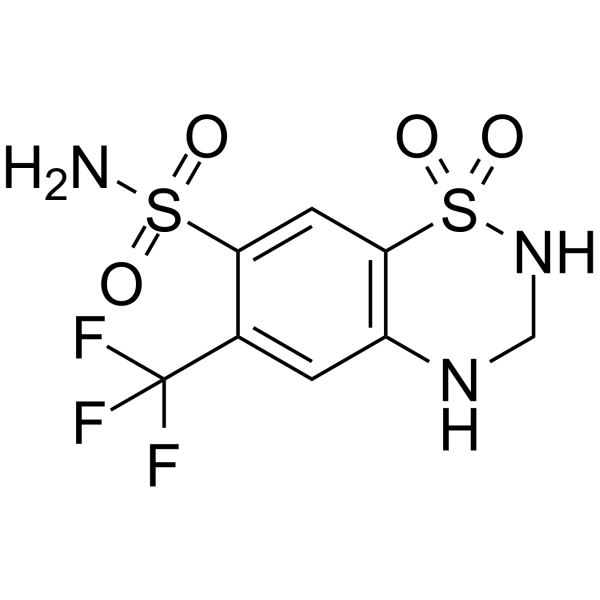 0 ImagesSynonyms: Methforylthiazidine; RontylHydroflumethiazide (Methforylthiazidine) is an orally active and potent thiazide diuretic. Hydroflumethiazide possesses the ability to directly stimulate A cell secretion in the normal and alloxan diabetic pancreas.
-
Annonacin
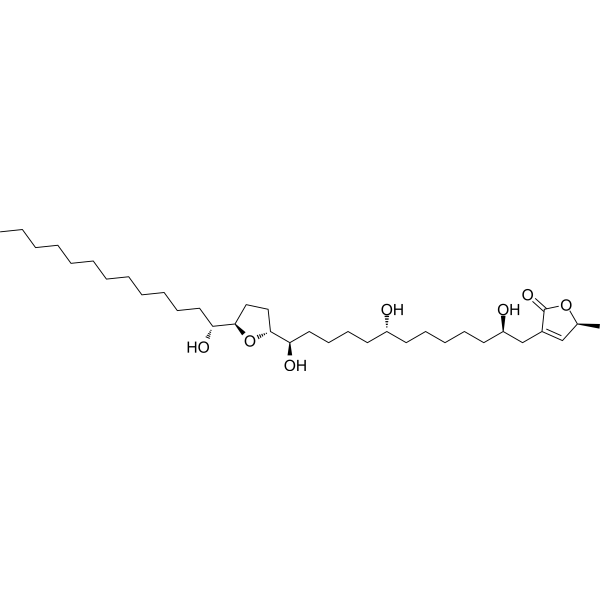 0 ImagesAnnonacin is an acetylgenin that is toxic by inhibiting the pathway of the mitochondrial complex. Annonacin increases tau phosphorylation in R406W+/+ mice. Annonacin acts as an inhibitor of the sodium/potassium and sarcoplasmic reticulum (SERCA) ATPase pumps. Annonacin has significant killing effect on ovarian cancer cell, cervical cancer cell, breast cancer cell, bladder cancer cell and skin cancer cell. Annonacin induces apoptosis through Bax and Caspase-3-related pathways.
-
Levobupivacaine hydrochloride
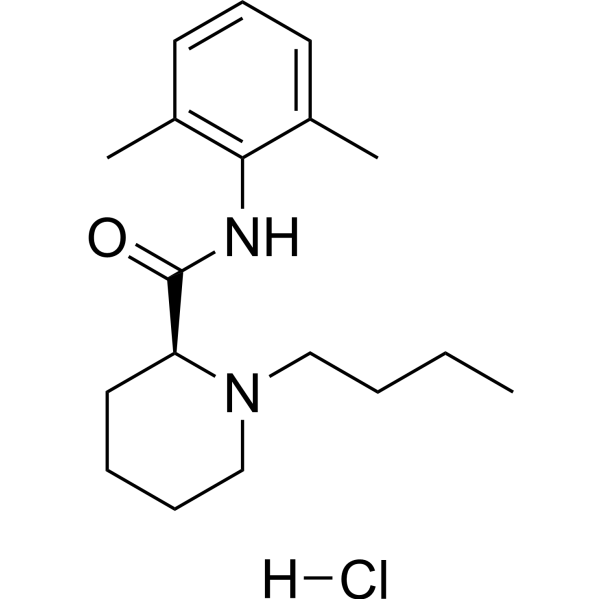 0 ImagesSynonyms: (S)-(-)-Bupivacaine monohydrochlorideLevobupivacaine hydrochloride ((S)-(-)-Bupivacaine monohydrochloride) is a long-acting amide local agent that can suppress or relieve pain. Levobupivacaine hydrochloride exerts agent that can suppress or relieve pain. and analgesic effects through reversible blockade of neuronal sodium channel. Levobupivacaine hydrochloride can inhibit impulse transmission and conduction in cardiovascular and other tissues, possessing certain cardiac and CNS toxicity. Levobupivacaine hydrochloride is metabolized by hepatic cytochrome P450 (CYP450) enzymes in vivo. Levobupivacaine hydrochloride can also induce ferroptosis by miR-489-3p/SLC7A11 signaling in gastric cancer.
-
SBI-810 hydrochloride
 0 ImagesSBI-810 hydrochloride is a blood-brain barrier-permeable NTSR1 modulator. SBI-810 hydrochloride promotes the recruitment of β-arrestin-2 to NTSR1 and antagonizes NTSR1-mediated Gq activation. SBI-810 hydrochloride inhibits excitatory synaptic transmission, NMDA receptor and extracellular signal-regulated kinase (ERK) signaling in spinal nociceptive neurons, reduces surface expression of Nav1.7 and action potential firing in primary sensory neurons, and attenuates C-fiber responses. SBI-810 hydrochloride effectively alleviates acute and chronic pain in various rodent models through peripheral and central modulation. SBI-810 hydrochloride is applicable to research related to multiple pain disorders.
-
AM-2099
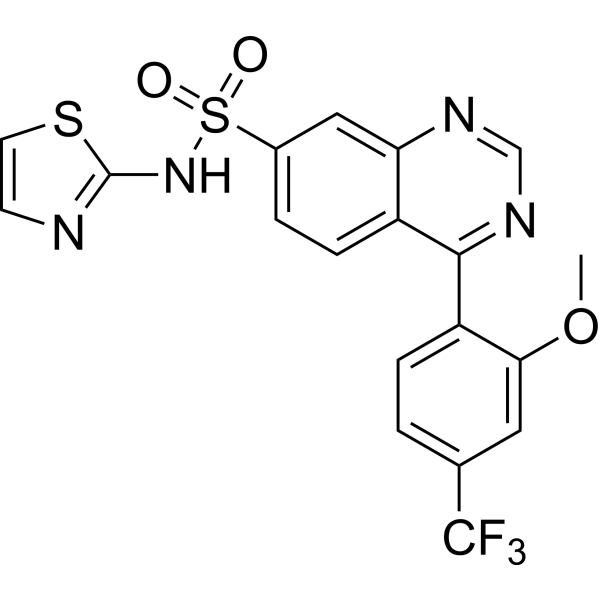 0 ImagesAM-2099 is a potent and selective inhibitor of voltage-gated sodium channel Nav1.7 with an IC50 of 0.16 μM for human Nav1.7.
-
A-887826
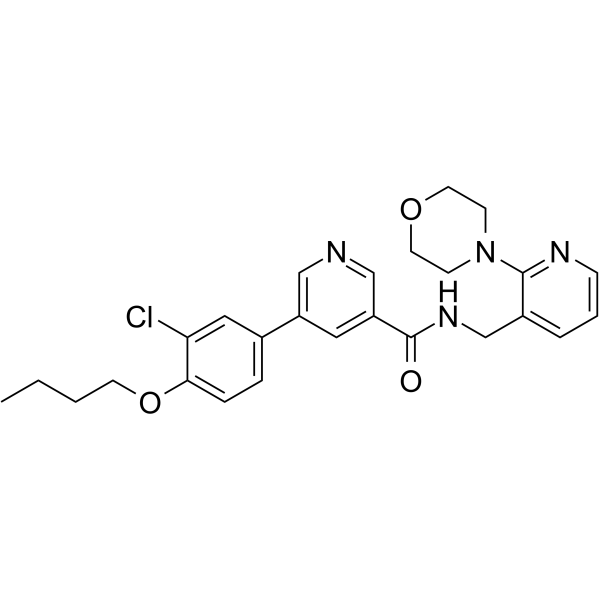 0 ImagesA-887826 is a potent, selective, oral bioavailable and voltage-dependent Na(v)1.8 sodium channel blocker with an IC50 of 11 nM . A-887826 attenuates neuropathic tactile allodynia in vivo.
-
A-317567
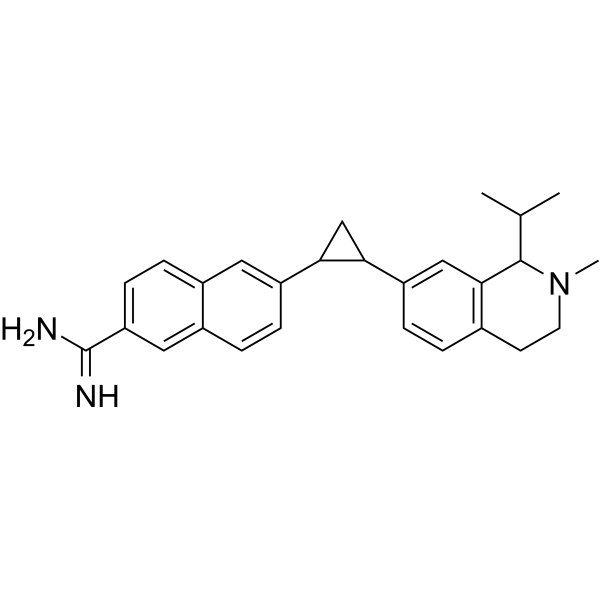 0 ImagesA-317567 is a potent acid-sensing ion channel 3 (ASIC-3) inhibitor with an IC50 of 1.025 μM. A-317567 has antidepressant and antinociception effects.
-
Raxatrigine
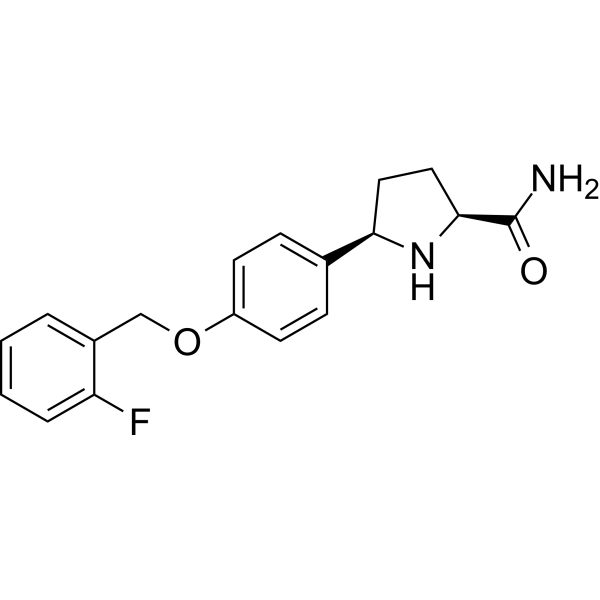 0 ImagesSynonyms: Vixotrigine; GSK-1014802; CNV1014802Raxatrigine (GSK-1014802) is a novel small molecule state-dependent sodium channel blocker; Nav1.7 sodium channel inhibitor.
-
Eleclazine hydrochloride
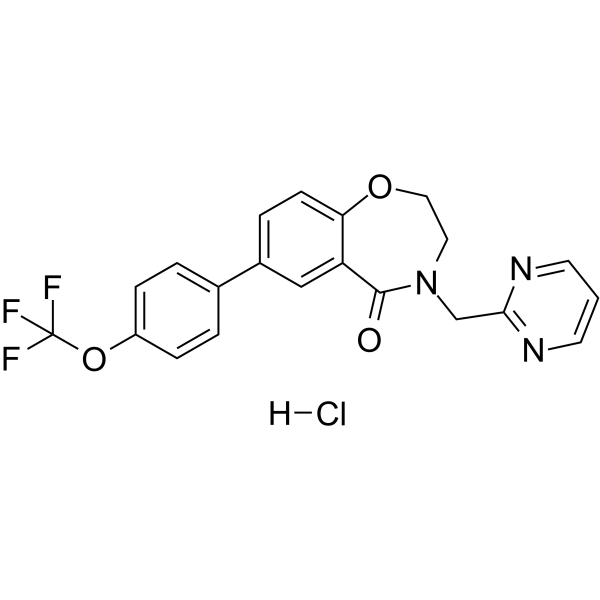 0 ImagesSynonyms: GS 6615 hydrochlorideEleclazine (GS 6615) hydrochloride is a selective cardiac late sodium current inhibitor and a weak inhibitor of potassium current with IC50 value of <1 μM and approximately 14.2 μM, respectively. Eleclazine hydrochloride shows concurrent protection against autonomically induced atrial premature beats, repolarization alternans and heterogeneity, and atrial fibrillation in porcine model. Eleclazine hydrochloride can be used to research cardiac arrhythmias.
-
Psalmotoxin 1
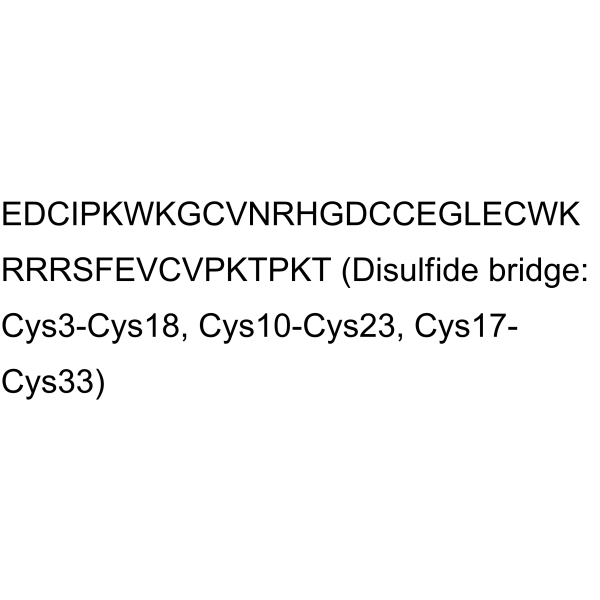 0 ImagesSynonyms: PcTx1; Psalmopoeus cambridgei toxin-1Psalmotoxin 1 (PcTx1) is a protein toxin that can bind at subunit-subunit interfaces of acid-sensing ion channel 1a (ASIC1a). Psalmotoxin 1 is a potent and slective ASIC1a inhibitor (IC50: 0.9 nM) by increasing the apparent affinity for H+ of ASIC1a. Psalmotoxin 1 can induce cell apoptosis, also inhibits cell migration, proferliration and invasion of cancer cells. Psalmotoxin 1 can be used in the research of cancers, or neurological disease.
-
GDC-0310
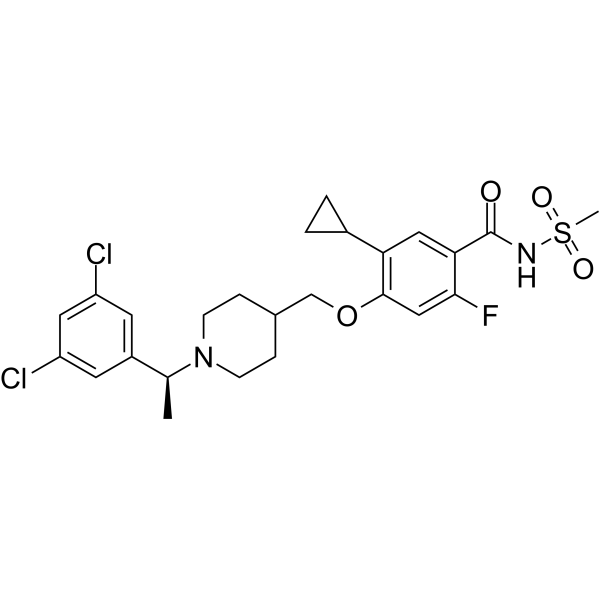 0 ImagesGDC-0310 is a selective acyl-sulfonamide Nav1.7 inhibitor, with an IC50 of 0.6 nM for hNav1.7.
-
Flecainide hydrochloride
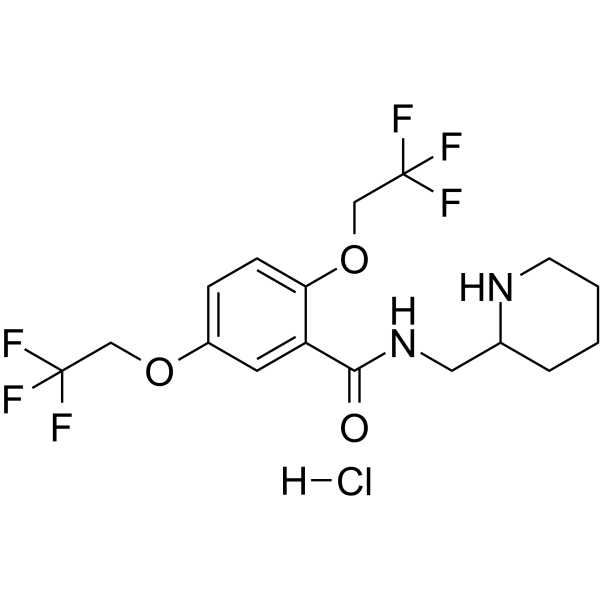 0 ImagesFlecainide hydrochloride is an orally active antiarrhythmic agent. Flecainide hydrochloride can block sodium channels and inhibit calcium ion release mediated by the cardiac ryanodine receptor (RyR2). Flecainide hydrochloride can be used in the research of diseases such as catecholaminergic polymorphic ventricular tachycardia (CPVT).
-
XPC-7724
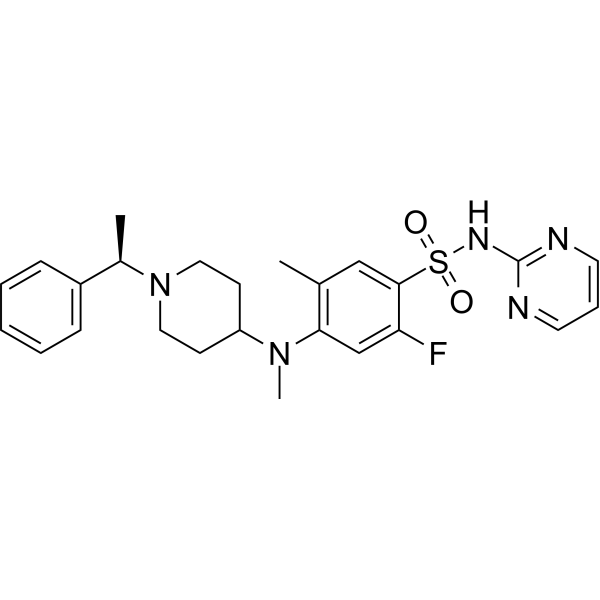 0 ImagesXPC-7724 is a selective Nav1.6 channel inhibitor with a IC50 value of 0.078 μM. XPC-7724 can be used in the study of neurological diseases.
-
Ropivacaine hydrochloride monohydrate
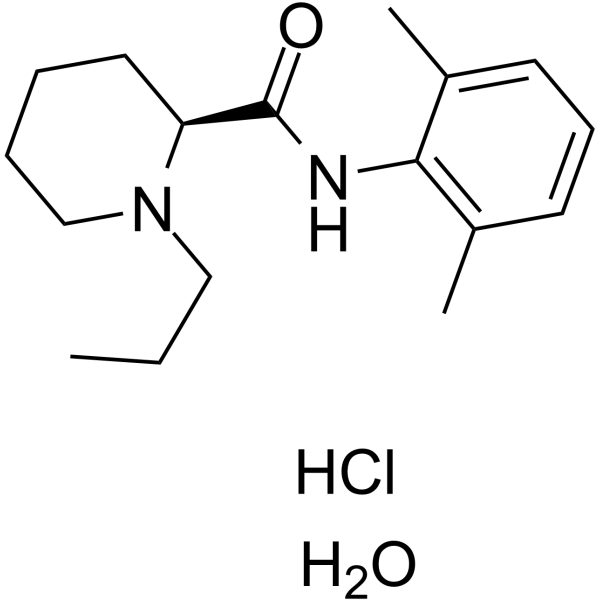 0 ImagesRopivacaine hydrochloride monohydrate is a potent sodium channel blocker and blocks impulse conduction via reversible inhibition of sodium ion influx in nerve fibrese. Ropivacaine is also an inhibitor of K2P (two-pore domain potassium channel) TREK-1 with an IC50 of 402.7 μM in COS-7 cell's membrane. Ropivacaine is widely used for regional anesthesia and neuropathic pain management in vivo.
-
SLC13A5-IN-1
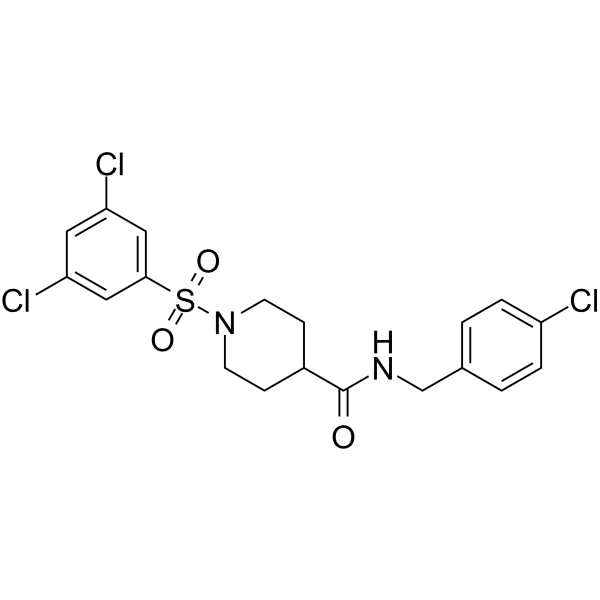 0 ImagesSLC13A5-IN-1 is a selective sodium-citrate co-transporter (SLC13A5) inhibitor. SLC13A5-IN-1 completely blocks the uptake of 14C-citrate with an IC50 value of 0.022 μM in HepG2 cells. SLC13A5-IN-1 has the potential for the treatment of metabolic and/or cardiovascular diseases. SLC13A5-IN-1 is extracted from patent WO2018104220A1, Compound I-5.
-
Sodium Channel inhibitor 6
 0 ImagesSodium Channel inhibitor 6 (compound I) is a selective Nav1.8 inhibitor that can be used in the study of neuropathic pain.
-
Eslicarbazepine acetate
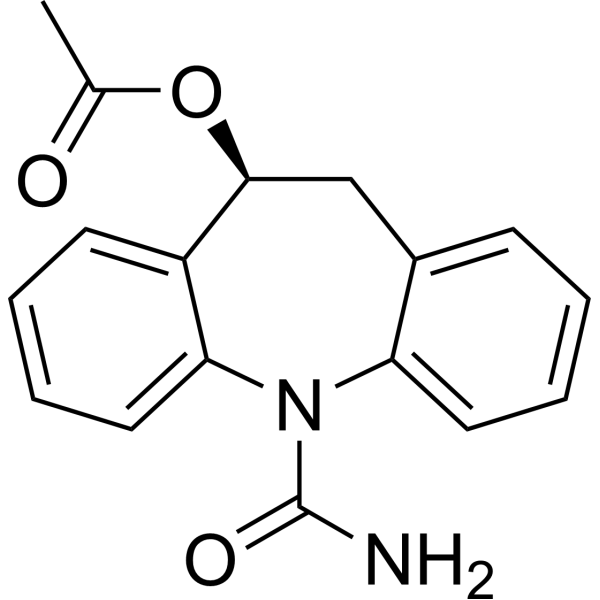 0 ImagesSynonyms: BIA 2-093Eslicarbazepine acetate (BIA 2-093), an antiepileptic agent, is a dual a dual Inhibitor of β-Secretase and voltage-gated sodium channel.
-
Metaflumizone
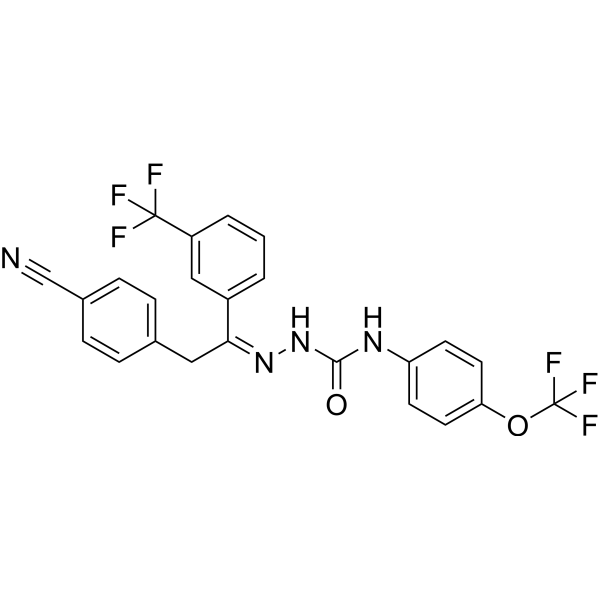 0 ImagesCat. No.: HY-116448CAS No.: 139968-49-3Synonyms: BAS-320IMetaflumizone is a semicarbazone insecticide, acts as a potent sodium channel blocker.
-
PF-04885614
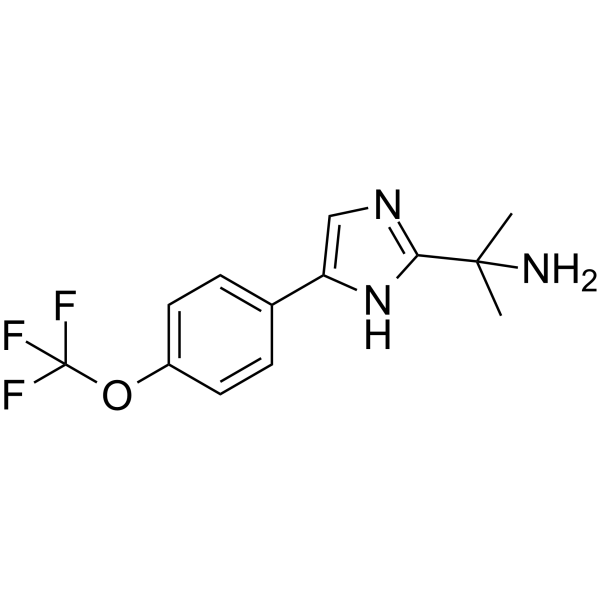 0 ImagesCat. No.: HY-110325CAS No.: 1480833-70-2PF-04885614 is a potent NaV1.8 inhibitor, extracted from patent US2018328915. PF-04885614 has potential for neurological and neurodevelopmental diseases treatment.




